How to Get ISO Certification in India (ISO 9001 & ISO 27001 Complete Guide)

Table of Contents
- Introduction
- What is ISO Certification?
- Why ISO Certification is Important
- Types of ISO Certification in India
- Step-by-Step Process to Get ISO Certification
- How to Get ISO 9001 Certification in India
- How to Get ISO 27001 Certification in India
- Documents Required
- Cost of ISO Certification
- Time Required
- Common Mistakes to Avoid
- Benefits for MSMEs
- How to Apply Online
- ISO Renewal Process
- FAQs
In today’s competitive business environment, obtaining ISO certification is no longer just an option—it’s a necessity. Whether you run a startup, MSME, or a large enterprise, ISO certification enhances credibility, improves processes, and builds trust among customers.
If you’re searching for how to get ISO certification in India, how to get ISO 9001 certification in India, or how to get ISO 27001 certification in India, this comprehensive guide will walk you through everything you need to know.
What is ISO Certification?
ISO (International Organization for Standardization) certification is an internationally recognized standard that ensures your business follows best practices in quality, safety, and efficiency.
Some of the most popular ISO certifications in India include:
• ISO 9001 – Quality Management System
• ISO 27001 – Information Security Management System
• ISO 22000 – Food Safety Management
• ISO 14001 – Environmental Management
Why ISO Certification is Important for Indian Businesses
Before diving into how to obtain ISO certification in India, it’s important to understand its benefits:
1. Builds Trust and Credibility
ISO certification shows your commitment to quality and standards.
2. Improves Business Efficiency
Standardized processes reduce errors and improve productivity.
3. Enhances Market Opportunities
Many government tenders and international clients require ISO certification.
4. Customer Satisfaction
Consistent quality leads to higher customer trust and retention.
5. Legal and Regulatory Compliance
Helps in meeting statutory and regulatory requirements.
Types of ISO Certification in India
1. ISO 9001 Certification (Quality Management)
If you're wondering how to get ISO 9001 certification in India, this is the most common standard applicable to all businesses.
2. ISO 27001 Certification (Information Security)
For companies dealing with data security, IT, or sensitive information, knowing how to get ISO 27001 certification in India is essential.
3. ISO 9000 Certification
Often confused with ISO 9001, ISO 9000 refers to the family of quality standards. When people search for how to get ISO 9000 certification in India, they typically mean ISO 9001.
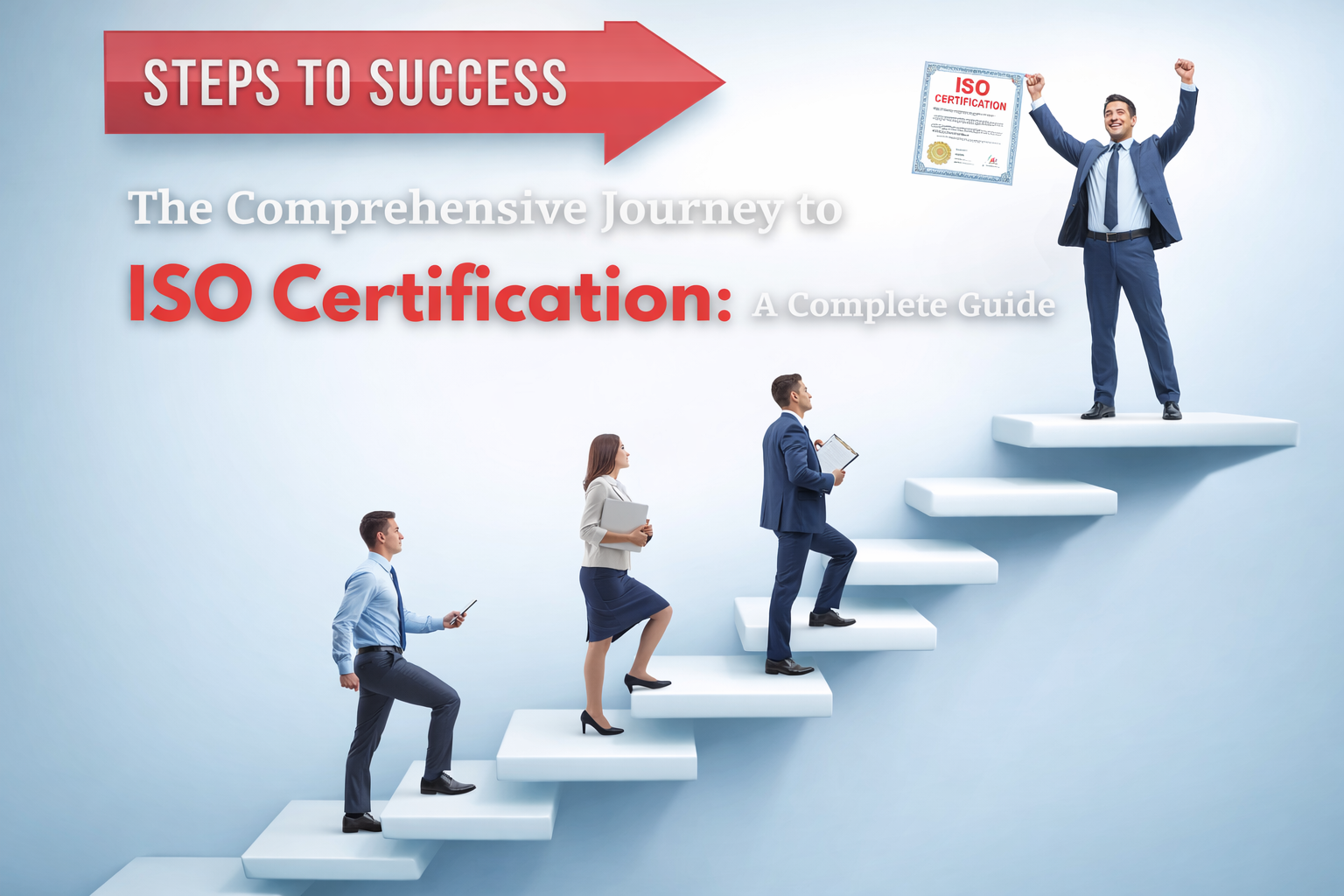
Step-by-Step Process to Get ISO Certification in India
Let’s break down how to get an ISO certificate in India into simple steps:
Step 1: Choose the Right ISO Standard
First, identify which certification suits your business:
• Manufacturing → ISO 9001
• IT/Software → ISO 27001
• Food Industry → ISO 22000
Step 2: Gap Analysis
Evaluate your current processes against ISO standards. This helps you identify areas that need improvement.
Step 3: Documentation
Documentation is a crucial part of ISO certification. You need to prepare:
• Quality Manual
• Policies & Procedures
• Work Instructions
• Records and Forms
Step 4: Implementation
Implement the documented processes across your organization. Train employees to follow standard procedures.
Step 5: Internal Audit
Conduct an internal audit to ensure all systems are working properly and comply with ISO standards.
Step 6: Select a Certification Body
Choose a recognized certification body in India. Make sure it is accredited and reliable.
Step 7: External Audit
The certification body will conduct an audit in two stages:
• Stage 1: Documentation Review
• Stage 2: On-site Audit
Step 8: Certification Issued
Once you pass the audit, your ISO certificate will be issued.
How to Get ISO 9001 Certification in India
ISO 9001 focuses on quality management systems. Here’s a simplified approach:
Key Requirements:
• Customer-focused processes
• Continuous improvement
• Leadership involvement
• Risk-based thinking
Process:
1. Define quality objectives
2. Document procedures
3. Train employees
4. Conduct internal audits
5. Apply for certification
ISO 9001 certification is suitable for all industries, making it the most widely adopted standard.
How to Get ISO 27001 Certification in India
ISO 27001 is essential for organizations handling sensitive data.
Key Requirements:
• Risk assessment
• Information security policies
• Data protection measures
• Incident management
Process:
1. Identify information assets
2. Conduct risk assessment
3. Implement security controls
4. Monitor and review systems
5. Certification audit
This certification is especially important for:
• IT companies
• Startups handling user data
• Financial institutions
• E-commerce platforms
Documents Required for ISO Certification in India
To understand how to obtain ISO certification in India, you must prepare these documents:
• Business registration proof
• PAN card
• GST certificate
• Organizational structure
• Process documents
• Policy manuals
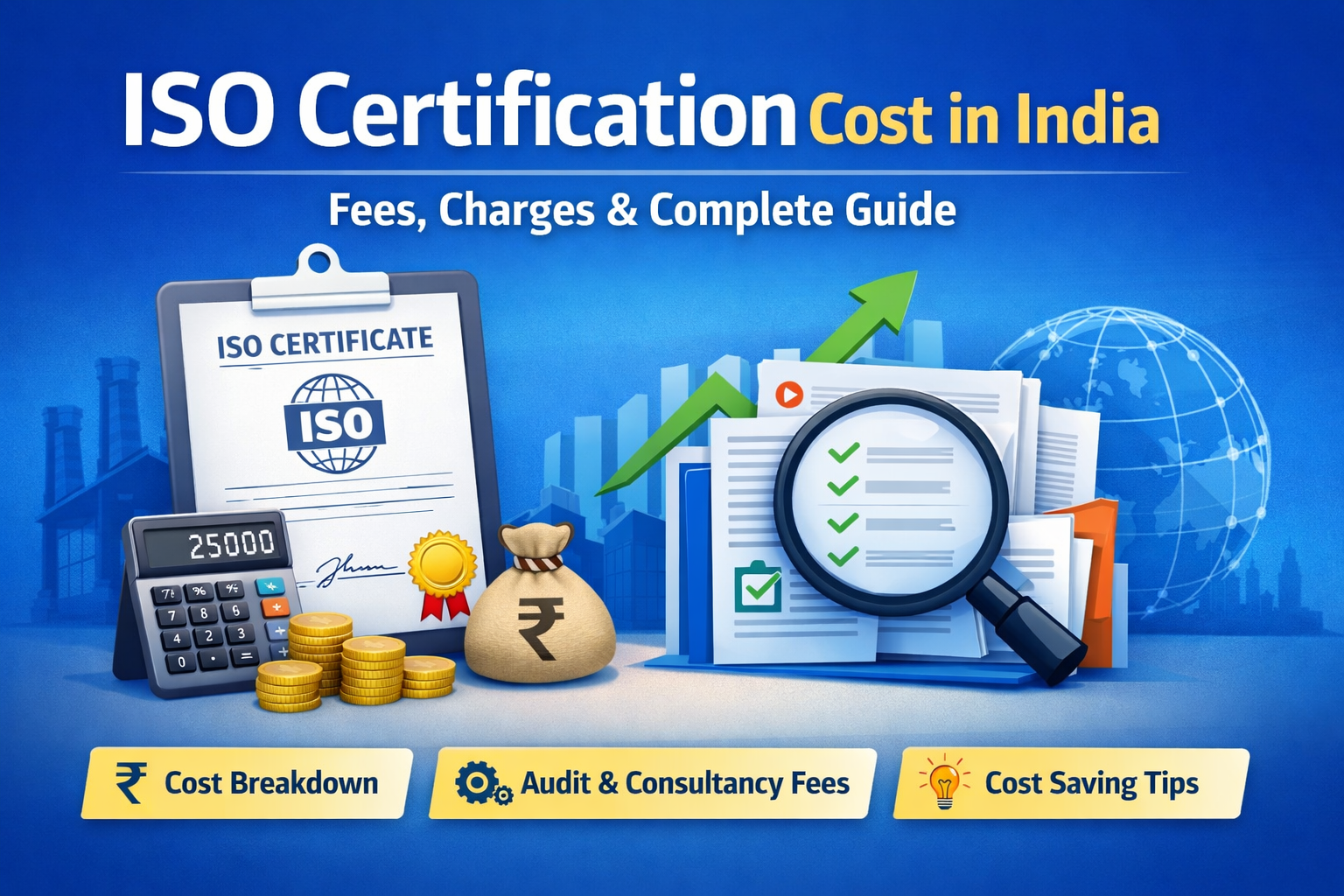
Cost of ISO Certification in India
The cost depends on:
• Size of the organization
• Number of employees
• Type of ISO certification
• Certification body
Estimated Cost:
• Small businesses: ₹5,000 – ₹25,000
• Medium businesses: ₹25,000 – ₹75,000
• Large enterprises: ₹1,00,000+
Time Required to Get ISO Certification
If you're planning how to get ISO certification in India, timeline matters:
• Small businesses: 7–15 days
• Medium businesses: 15–30 days
• Large organizations: 1–3 months
Common Mistakes to Avoid
1. Choosing the Wrong Certification
Always select ISO standard based on your business needs.
2. Ignoring Documentation
Incomplete documentation can delay certification.
3. Lack of Employee Training
Employees must understand ISO processes.
4. Selecting Unreliable Certification Bodies
Always choose accredited agencies.
Benefits of ISO Certification for MSMEs in India
Small and medium enterprises gain huge advantages:
• Better brand image
• Increased business opportunities
• Higher customer trust
• Easier loan approvals
• Competitive advantage
How to Apply for ISO Certification Online in India
You can apply online by following these steps:
1. Choose a certification provider
2. Fill out the application form
3. Submit required documents
4. Pay registration fees
5. Schedule audit
6. Get certified
Many agencies offer quick and hassle-free online ISO registration services.
ISO Certification Renewal Process
ISO certification is valid for 3 years, with annual surveillance audits.
Renewal Steps:
• Conduct internal audit
• Update documentation
• Apply for renewal audit
• Pass audit
Who Needs ISO Certification?
ISO certification is useful for:
• Startups
• MSMEs
• Manufacturers
• Service providers
• IT companies
• Export businesses
Final Thoughts
If you’re still wondering how to get ISO certification in India, the process is straightforward when done correctly. Whether it’s ISO 9001, ISO 27001, or any other standard, the key lies in proper documentation, implementation, and choosing the right certification body.
ISO certification is not just about compliance—it’s about building a strong, efficient, and trustworthy business.
Frequently Asked Questions
You can get ISO certification within 7–15 days through online service providers if your documentation is ready.
Follow steps like documentation, implementation, internal audit, and certification audit.
Conduct risk assessment, implement security controls, and pass certification audit.
Small businesses can apply online with minimal documentation and get certified quickly.
No, but it is highly recommended for business growth and credibility.