Running a small manufacturing business today means competing with bigger players who often win contracts simply because they carry the right credentials. This is exactly where ISO certification becomes a game-changer. Whether you're a first-time factory owner or an established workshop looking to scale, ISO certification gives your manufacturing company the credibility it needs to win trust, tenders, and long-term clients.
In this guide, we'll break down what ISO certification means for small manufacturing companies, why it matters, how the certification process works, and how to find the right support when searching for manufacturing companies near me that have successfully undergone certification.
What Is ISO Certification?
ISO certification is a formal recognition that a business meets internationally recognized standards set by the International Organization for Standardization (ISO). For manufacturing companies, this usually means demonstrating consistent quality management, safe working conditions, or environmentally responsible practices.
The most common standards small manufacturers pursue include:
- ISO 9001 – Quality Management Systems
- ISO 14001 – Environmental Management Systems
- ISO 45001 – Occupational Health and Safety Management
- ISO 22000 – Food Safety Management (for food-related manufacturing)
Getting ISO certification isn't just a formality — it's proof that your manufacturing company follows structured, repeatable, and reliable processes.
Why Small Manufacturing Companies Need ISO Certification
Many small business owners assume ISO certification is only for large corporations. In reality, small and mid-sized manufacturing companies benefit the most, because certification helps them compete on equal footing with bigger names.
Here's why ISO certification matters for manufacturing companies of every size:
- Builds Customer Trust – Buyers, especially in B2B manufacturing, prefer working with certified suppliers.
- Opens Export Opportunities – Many international buyers require ISO certification before signing contracts.
- Improves Internal Processes – ISO certification forces manufacturing companies to document and streamline operations.
- Reduces Errors and Waste – Standardized processes mean fewer defects and less rework.
- Boosts Eligibility for Government Tenders – Most public sector tenders in India require ISO certification as a mandatory qualifier.
If you've ever searched online for "manufacturing companies near me" to benchmark your competitors, you'll notice that most established, growth-focused businesses already display an ISO certification badge on their website or company profile. That's not a coincidence — it's a competitive necessity.
How ISO Certification Helps You Stand Out Locally and Globally
When potential clients search for "manufacturing companies near me," they're often comparing multiple vendors within minutes. An ISO-certified manufacturing company automatically appears more trustworthy, especially to first-time buyers who don't have prior experience with your brand.
ISO certification also helps small manufacturing companies:
- Appear more credible on business directories and Google listings
- Qualify for larger B2B and B2G (business-to-government) contracts
- Reduce buyer hesitation during vendor onboarding
- Strengthen partnerships with distributors and exporters
In short, ISO certification isn't just a compliance checkbox — it's a marketing and trust-building tool for manufacturing companies trying to grow beyond their local market.
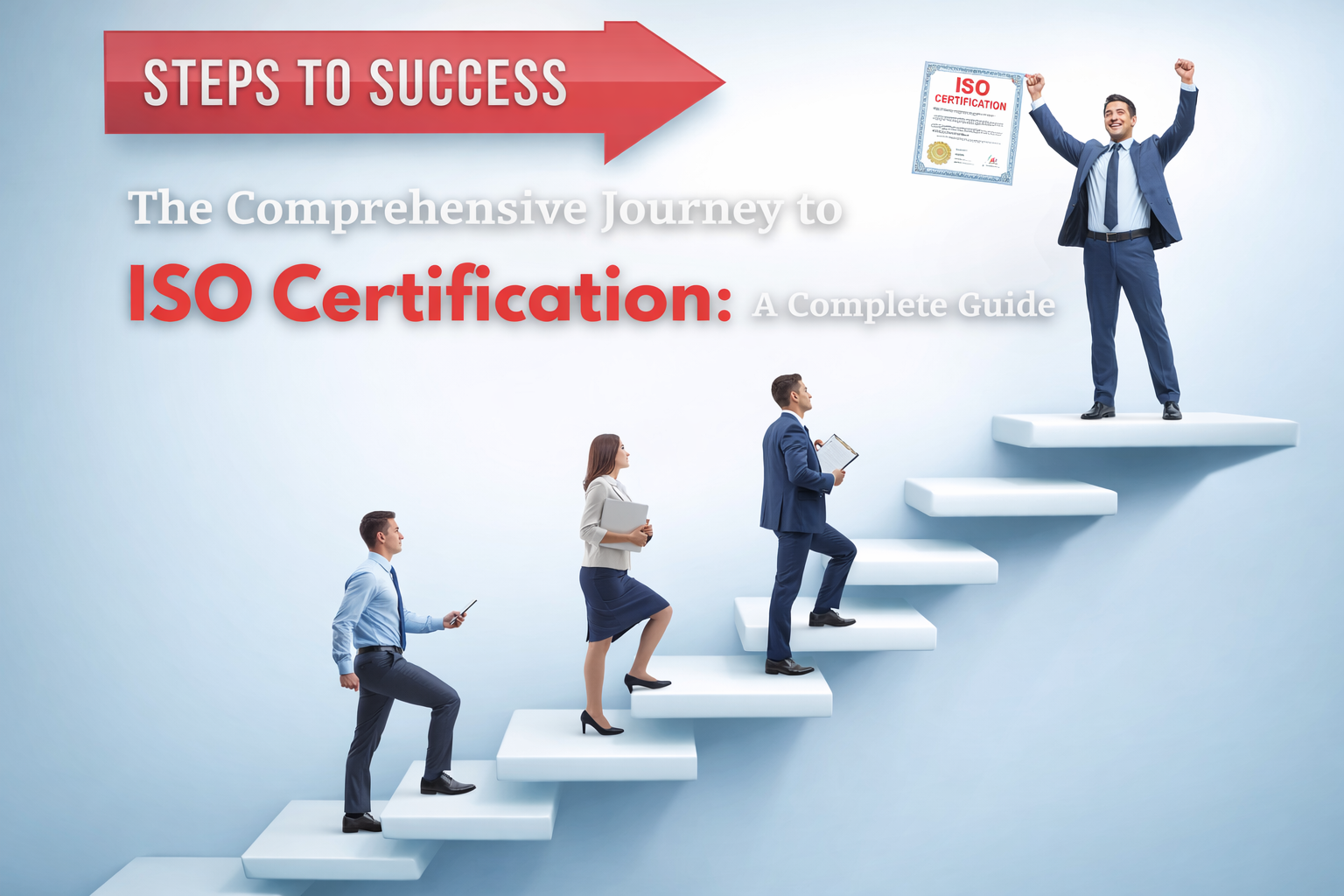
Step-by-Step Process to Get ISO Certification
Getting ISO certification for a small manufacturing business doesn't have to be complicated if you follow a structured approach.
Step 1: Choose the Right ISO Standard
Identify which certification aligns with your industry — most manufacturing companies start with ISO 9001 for quality management.
Step 2: Perform a Gap Analysis
Assess your current processes against ISO requirements to identify what needs improvement.
Step 3: Document Your Processes
ISO certification requires clear documentation of workflows, quality checks, and safety procedures.
Step 4: Implement the System
Train your staff and implement the new standard operating procedures across your manufacturing unit.
Step 5: Internal Audit
Conduct an internal audit to ensure everything aligns with ISO requirements before the official assessment.
Step 6: Choose a Certification Body
Select an accredited certification partner to carry out your ISO certification audit. This is one of the most important steps — working with a trusted registration platform like ISO Registration can simplify paperwork, documentation, and audit coordination for small manufacturing companies.
Step 7: Certification Audit
An external auditor reviews your processes and, if compliant, issues your ISO certification.
Step 8: Maintain Compliance
ISO certification isn't one-time — regular surveillance audits ensure your manufacturing company maintains its standards.
Common Challenges Small Manufacturers Face
- Limited Documentation Experience – Many small manufacturing companies don't have formal documentation systems in place.
- Budget Constraints – Certification costs can seem high initially, though the long-term ROI is significant.
- Time Investment – Implementing ISO standards takes time, especially for first-time applicants.
- Choosing the Right Certification Body – Not all certification providers are accredited, so due diligence matters.
Working with an experienced consultancy for ISO certification, such as isoregistration.grih.in, can help small manufacturing companies avoid these common pitfalls by simplifying documentation, audits, and renewal timelines.
Cost of ISO Certification for Small Manufacturing Businesses
The cost of ISO certification varies based on:
- Company size and number of employees
- Type of ISO standard chosen
- Complexity of manufacturing processes
- Certification body chosen
While costs can range from a few thousand to a few lakh rupees depending on scope, most small manufacturing companies find that the investment pays off through better contracts, reduced wastage, and increased customer confidence.
Final Thoughts
ISO certification is no longer optional for manufacturing companies that want to grow, especially in a competitive market where buyers actively search for "manufacturing companies near me" and compare credentials before making a decision. Whether you run a small workshop or a growing production unit, getting ISO certification positions your business as reliable, professional, and ready for bigger opportunities.
If you're ready to start the certification process, platforms like ISO Registration can guide you through documentation, audits, and approval — making the journey much smoother for small manufacturing companies.
Frequently Asked Questions (FAQs)
1. Is ISO certification mandatory for small manufacturing companies? No, it's not legally mandatory in most cases, but many clients and government tenders require it, making it practically essential for growth.
2. How long does it take to get ISO certification? On average, small manufacturing companies can complete the process in 4–12 weeks, depending on preparedness and documentation.
3. Which ISO certification is best for manufacturing companies? ISO 9001 (Quality Management) is the most common starting point for manufacturing companies of all sizes.
4. How much does ISO certification cost for a small business? Costs vary based on company size, standard chosen, and certification body, but many small manufacturers find it a worthwhile long-term investment.
5. Can I search for ISO-certified manufacturing companies near me before choosing a supplier? Yes, most ISO-certified manufacturing companies display their certification on business directories, websites, and official documentation.
6. Do I need to renew ISO certification? Yes, ISO certification typically requires periodic surveillance audits and renewal every 3 years to remain valid.