In today’s competitive market, ISO certification is more than a compliance badge—it’s a global trust mark. Whether it’s ISO 9001 certification for quality, ISO 27001 certification for information security, or ISO 14001 certification for environmental management, these standards help organizations build credibility, efficiency, and customer confidence.
This guide explains the most important ISO certification standards, their benefits, requirements, and how businesses can achieve certification successfully.
What is ISO?
The International Organization for Standardization (ISO) develops globally recognized standards that ensure quality, safety, and efficiency across industries. Popular standards include:
- ISO 9001:2015 – Quality Management System
- ISO 27001 / ISO IEC 27001 – Information Security Management
- ISO 14001 – Environmental Management System
- ISO 45001 – Occupational Health & Safety
- ISO 13485 – Medical Devices Quality Management
- ISO 17025 – Testing & Calibration Laboratories
Why ISO Certification Matters
1. Global Recognition
ISO certification is accepted worldwide, making it a powerful tool for businesses that want to expand beyond local markets. Whether it’s ISO 9001:2015, ISO 27001 certification, or ISO 14001 certification, holding an ISO standard demonstrates that your organization meets international benchmarks for quality, safety, and efficiency.
2. Customer Trust
Certification signals reliability and professionalism. Clients are more likely to choose a company with ISO 9001 certification or ISO 13485 because it assures them of consistent quality and compliance. This trust translates into stronger customer relationships and repeat business.
3. Operational Efficiency
Implementing standards like ISO 45001 or ISO 27001 helps streamline processes, reduce errors, and improve productivity. By following structured frameworks, businesses can cut costs, minimize risks, and achieve long‑term efficiency gains.
4. Market Access
Many government tenders, corporate contracts, and international deals require ISO certification as a prerequisite. Standards such as ISO 17025 for laboratories or ISO 14001 certification for environmental compliance open doors to new opportunities and global partnerships.
5. Compliance with Legal & Regulatory Requirements
ISO standards align closely with national and international regulations. For example, ISO 45001 certification ensures workplace safety compliance, while ISO 27001 certification helps meet data protection laws. This reduces the risk of penalties and strengthens your organization’s credibility with regulators.
Popular ISO Standards Explained
1. ISO 9001:2015 – Quality Management
The most widely adopted standard, ISO 9001 certification, ensures consistent product and service quality. It helps businesses improve processes, customer satisfaction, and competitiveness.
2. ISO 27001 – Information Security
With rising cyber threats, ISO 27001 certification (also known as ISO IEC 27001) protects sensitive data, reduces risks, and builds trust with clients.
3. ISO 14001 – Environmental Management
ISO 14001 certification helps organizations minimize environmental impact, comply with regulations, and promote sustainability.
4. ISO 45001 – Occupational Health & Safety
This standard ensures safe workplaces, reducing accidents and boosting employee morale.
5. ISO 13485 – Medical Devices
Critical for healthcare businesses, ISO 13485 ensures medical devices meet strict quality and safety requirements.
6. ISO 17025 – Testing & Calibration
Essential for labs, ISO 17025 ensures accuracy, reliability, and international acceptance of test results.
Benefits of ISO Certification
1. Enhanced Brand Reputation
Achieving ISO certification instantly boosts credibility. Customers, partners, and stakeholders view your business as reliable, quality‑driven, and globally recognized. This reputation helps attract new clients and retain existing ones.
2. Better Risk Management
Standards like ISO 27001 certification and ISO 9001:2015 provide structured frameworks to identify, assess, and mitigate risks. From data security to operational errors, ISO helps organizations stay resilient and proactive.
3. Increased Customer Satisfaction
With ISO 9001 certification, businesses implement quality management systems that ensure consistent service and product delivery. This leads to fewer complaints, higher trust, and stronger customer loyalty.
4. Access to International Markets
Global buyers often require compliance with standards such as ISO 14001 certification or ISO 13485. Holding an ISO certificate opens doors to international tenders, contracts, and partnerships, giving your business a competitive edge worldwide.
5. Compliance with Legal & Regulatory Requirements
ISO standards like ISO 45001 (health & safety) and ISO 17025 (testing labs) align with government regulations. Certification ensures your business meets mandatory compliance, avoiding penalties and building trust with regulators.
Popular ISO Standards
1. ISO 9001:2015 – Quality Management
ISO 9001 certification is the most widely adopted standard worldwide. It ensures businesses deliver consistent quality, improve processes, and enhance customer satisfaction.
2. ISO 27001 / ISO IEC 27001 – Information Security
With cyber threats on the rise, ISO 27001 certification helps organizations protect sensitive data, reduce risks, and comply with global security requirements.
3. ISO 14001 – Environmental Management
ISO 14001 certification supports sustainability by helping companies minimize environmental impact, comply with regulations, and improve eco‑efficiency.
4. ISO 45001 – Occupational Health & Safety
This standard ensures safe workplaces, reduces accidents, and boosts employee morale. ISO 45001 certification is vital for industries with high safety risks.
5. ISO 13485 – Medical Devices Quality
Healthcare businesses rely on ISO 13485 to meet strict quality and safety requirements for medical devices, ensuring compliance with international standards.
6. ISO 17025 – Testing & Calibration Laboratories
ISO 17025 certification guarantees accuracy and reliability in testing and calibration labs, making results internationally accepted.
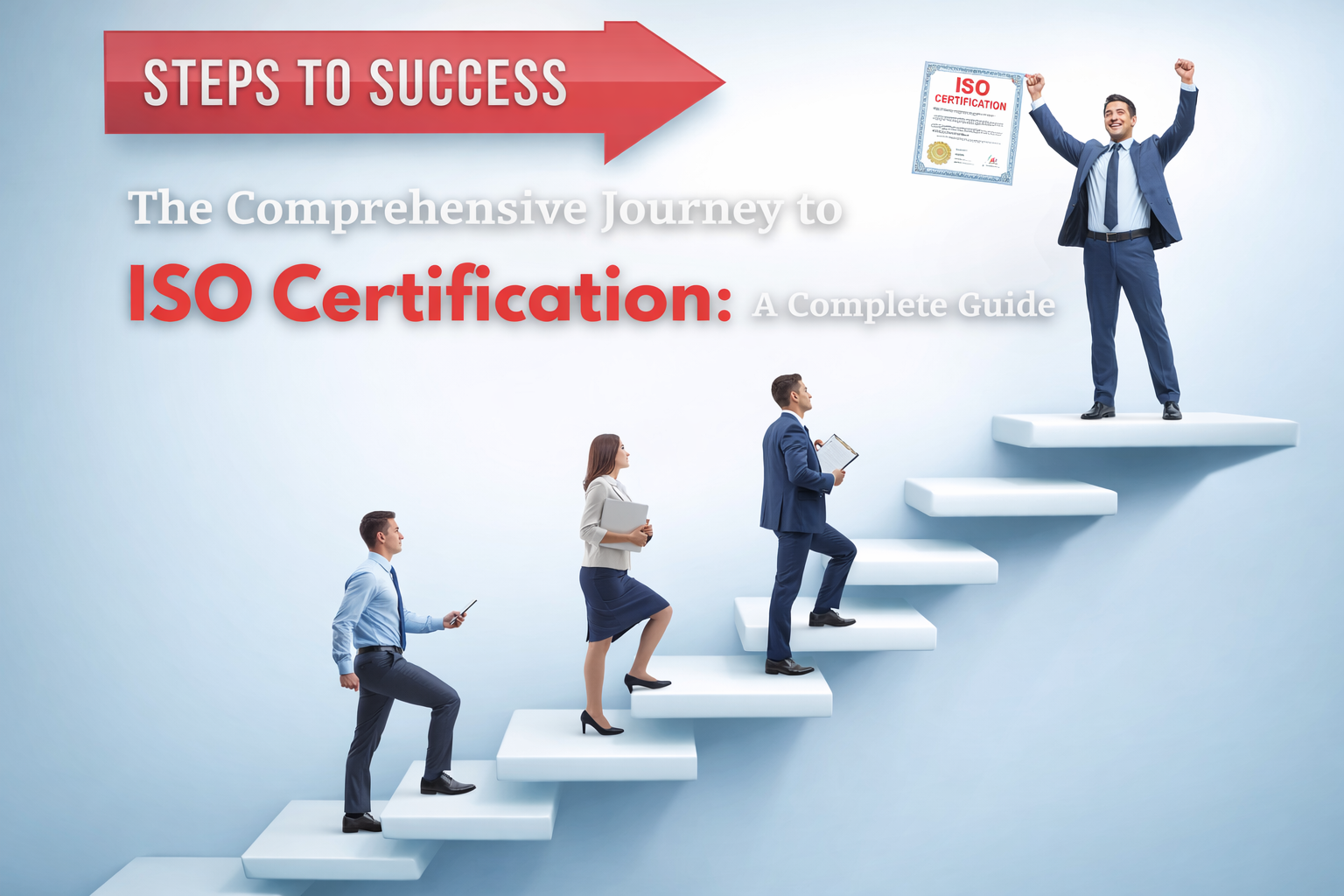
How to Get ISO Certification
Choose the right ISO standard
Identify whether you need ISO 9001, ISO 27001, ISO 14001, ISO 13485, ISO 45001, or ISO 17025 certification based on your industry and compliance goals.
Prepare documentation
Develop policies, procedures, and records aligned with the chosen ISO standard requirements to demonstrate compliance.
Implement processes
Train employees and integrate ISO practices into daily operations to ensure consistent application across the organization.
Conduct an internal audit
Review your systems internally to identify gaps, correct issues, and confirm readiness for external certification.
Apply to the certification body
Submit your application to an accredited ISO certification body and schedule the audit process.
Undergo certification audit
Complete a two-stage audit — documentation review and on-site assessment — to verify compliance with ISO standards.
Maintain certification
Perform surveillance audits and continuous improvements to keep your ISO certification valid and up to date.
Final Takeaway
Final Takeaway & Call to Action
Adopting ISO certification—whether it’s ISO 9001:2015, ISO 27001 certification, or ISO 14001 certification—is not just about compliance, it’s about unlocking growth, credibility, and global recognition. Standards like ISO 13485, ISO 45001, and ISO 17025 further strengthen your business by ensuring quality, safety, and trust across industries.
If you’re ready to elevate your brand, improve efficiency, and access international markets, start your ISO certification journey today. Partner with an accredited certification body, prepare your documentation, and take the first step toward building a globally trusted business.
“Get ISO Certified Now – Secure Your Competitive Edge!”